Updated August 2026 · all four projects' own releases pages read for the first time, the freshness column rebuilt on release dates instead of catalogue dates, and two of the previous pass's own retractions withdrawn after both turned out to be true
Four local music players, all catalogued on F-Droid, one of them also on Google Play. This page reports what those catalogues and each project's own releases page published on one date. It does not describe how any of them behaves on a phone, because nothing here rests on running them. Where a source has no such field, the page says so rather than leaving a blank for a reader to fill in. For the standing picks across the whole category, the music player roundup covers the wider field.
Gramophone is our best overall and best free pick because its F-Droid entry, read 21 August 2026, names no network permission, and Play lists it free, no ads label.
Booming Music is our USB DAC pick because its project's 3 May 2026 release notes name bit perfect USB output, and F-Droid publishes no price or ads label.
Local Player is our fewest permissions pick because its F-Droid entry, read 21 August 2026, lists 6 permission entries, and F-Droid publishes no price or ads label.
Data checked: 3 September 2026.
The monthly umbrella for this series is best new apps for Android, where every entry is dated by its own Play release field.
How to read columns four, five and six. The two date columns do not measure the same event, which is why they are two columns. An added date is the day F-Droid took that build into its repository, and it is what someone installing from F-Droid gets today. A release date is the day the project itself published that version, read from its own releases page. For three of the four the two columns name the same version and the catalogue is a few days behind the release. For Gramophone they name different versions. Where the last column names a flag it summarises the reason F-Droid published for that app, and the two reasons are not equally informative, which is why the two cells do not read alike; each is quoted word for word in that app's own section. None listed means F-Droid has attached no Anti-Feature flag to that entry: those flags record what the repository has flagged, so no flag is the absence of a warning and not a finding that an app is clean.
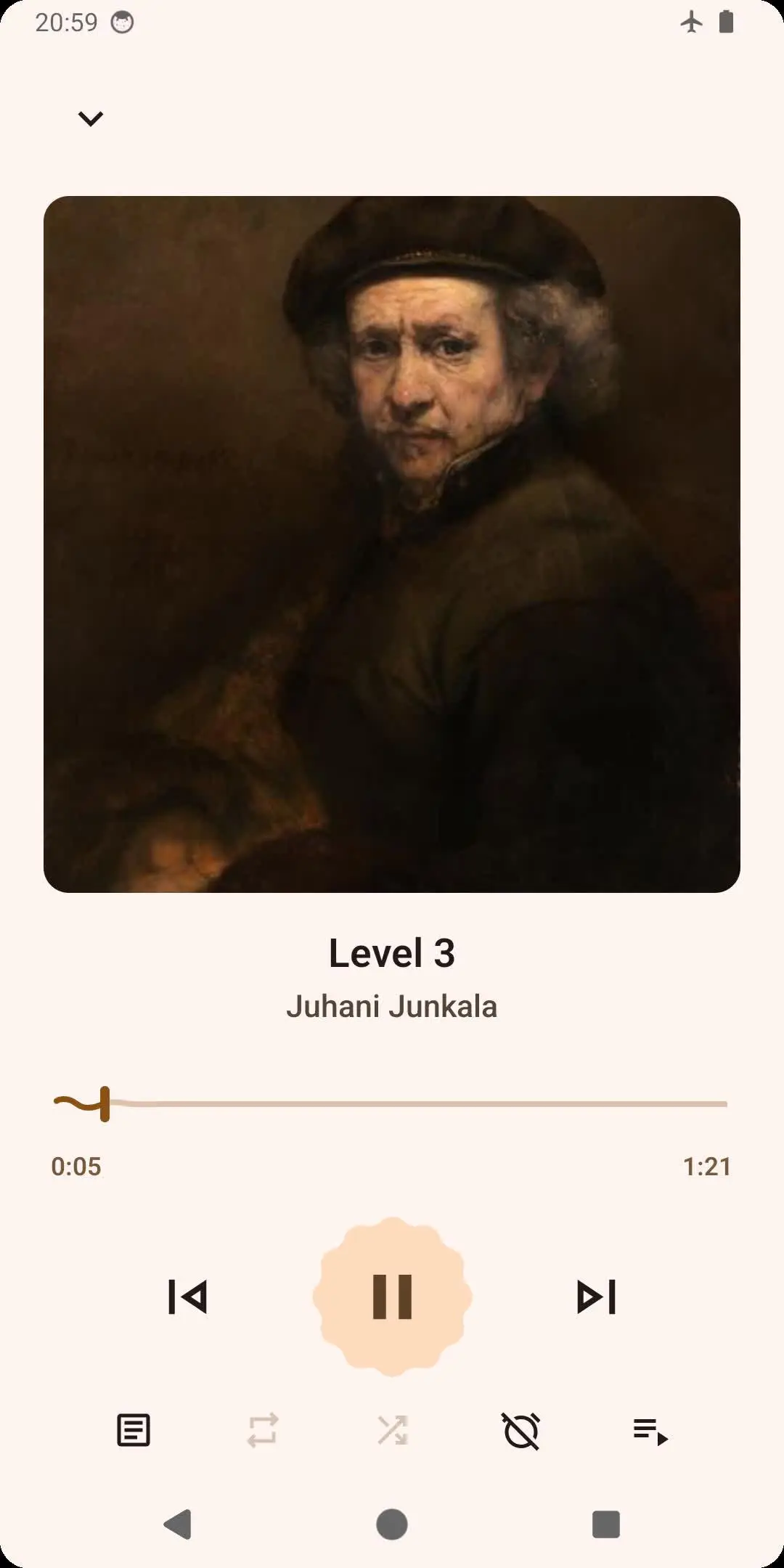
A plain offline library player · the only entry here listing neither view network connections nor full network access
Newest release published by the project itself: 1.1.2 on 20 August 2026, 1 day before this check, from its own releases page · Version on F-Droid: 1.1.1, added to the repository on 28 July 2026, so the catalogue is one build behind the project today · Licence GNU General Public License v3.0 or later, SPDX id GPL-3.0-or-later · Author on the F-Droid entry: nift4, contact [email protected] · publisher account on the Play listing: devpandaxda, whose support email on that listing is that same address · Play install band 10,000+, the band Google Play prints and not a count of people · Free to install, with no in-app purchases shown on the listing · No star rating is published for it on either catalogue · Play listing updated 20 August 2026 · Data Safety on Google Play: no data shared with third parties, and no data collected · Its F-Droid entry lists no Anti-Feature flag, which is the absence of a warning rather than a finding about the app · Read from three records: its F-Droid entry, read 21 August 2026, its Google Play listing, read 21 August 2026, and its own releases page, read 21 August 2026 · Google Play's own ads label for it, read 21 August 2026: that listing shows no Contains ads label · Contains ads: No · checked 21 August 2026
Google Play listing · read 21 August 2026
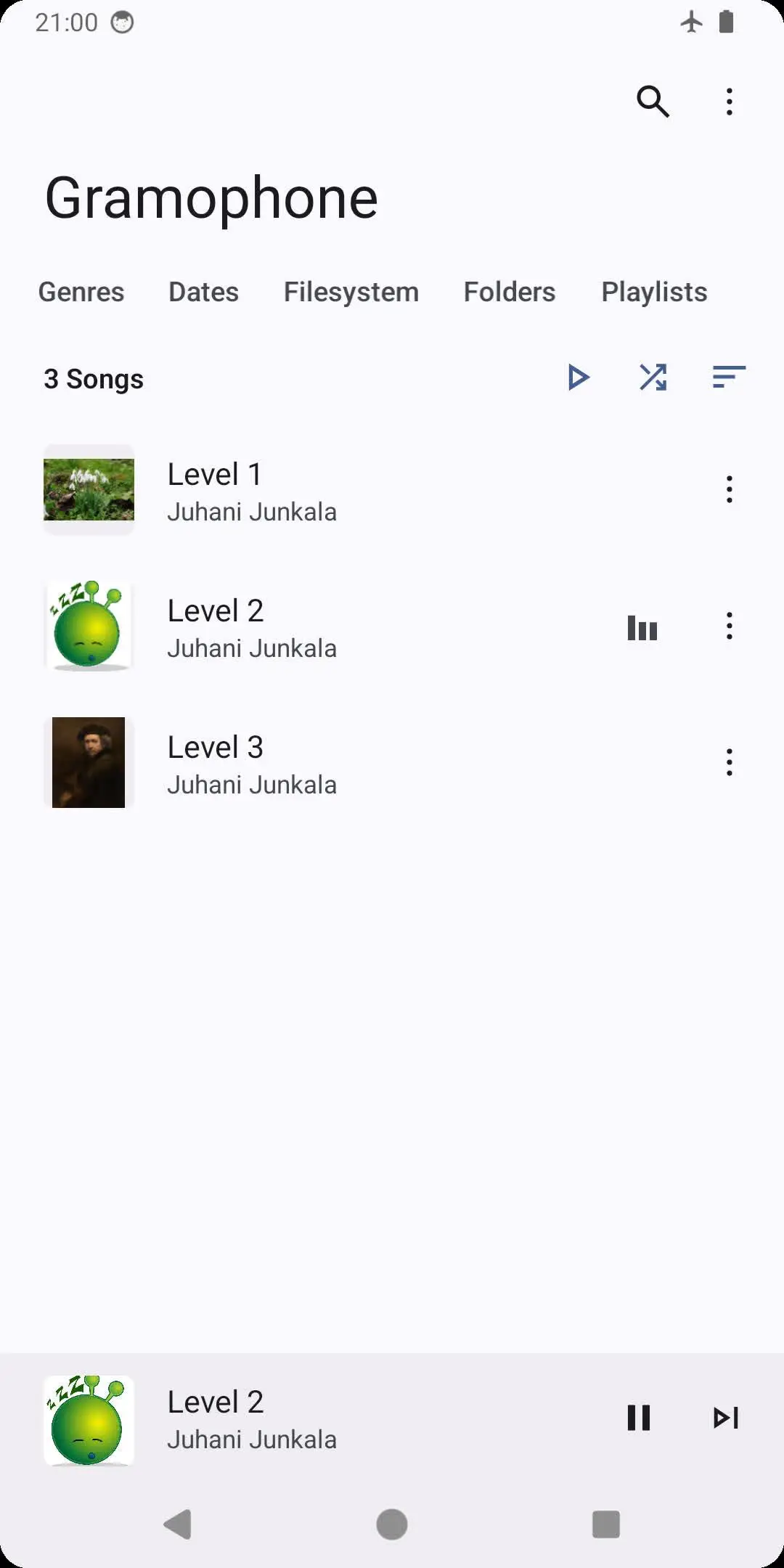
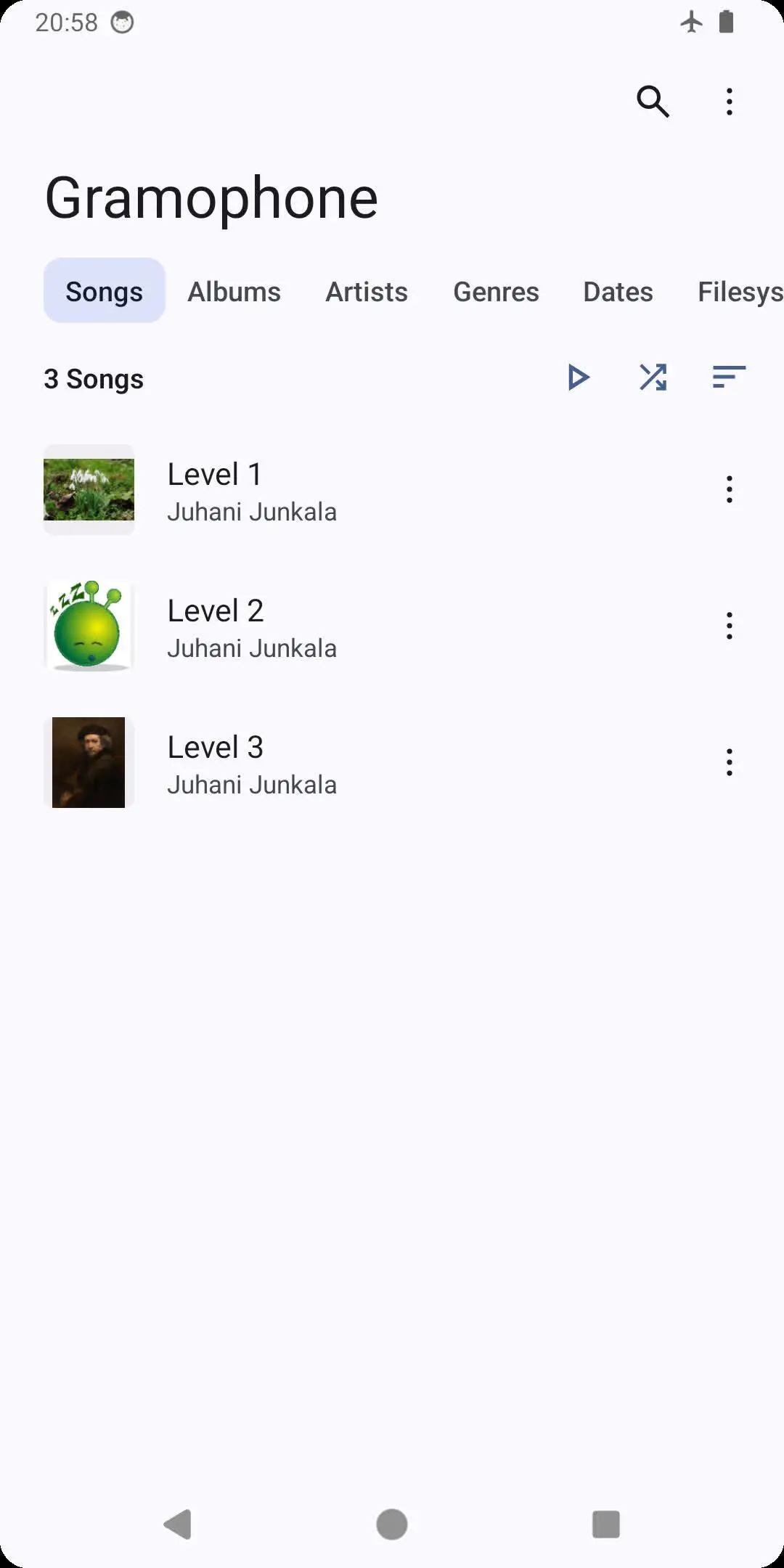
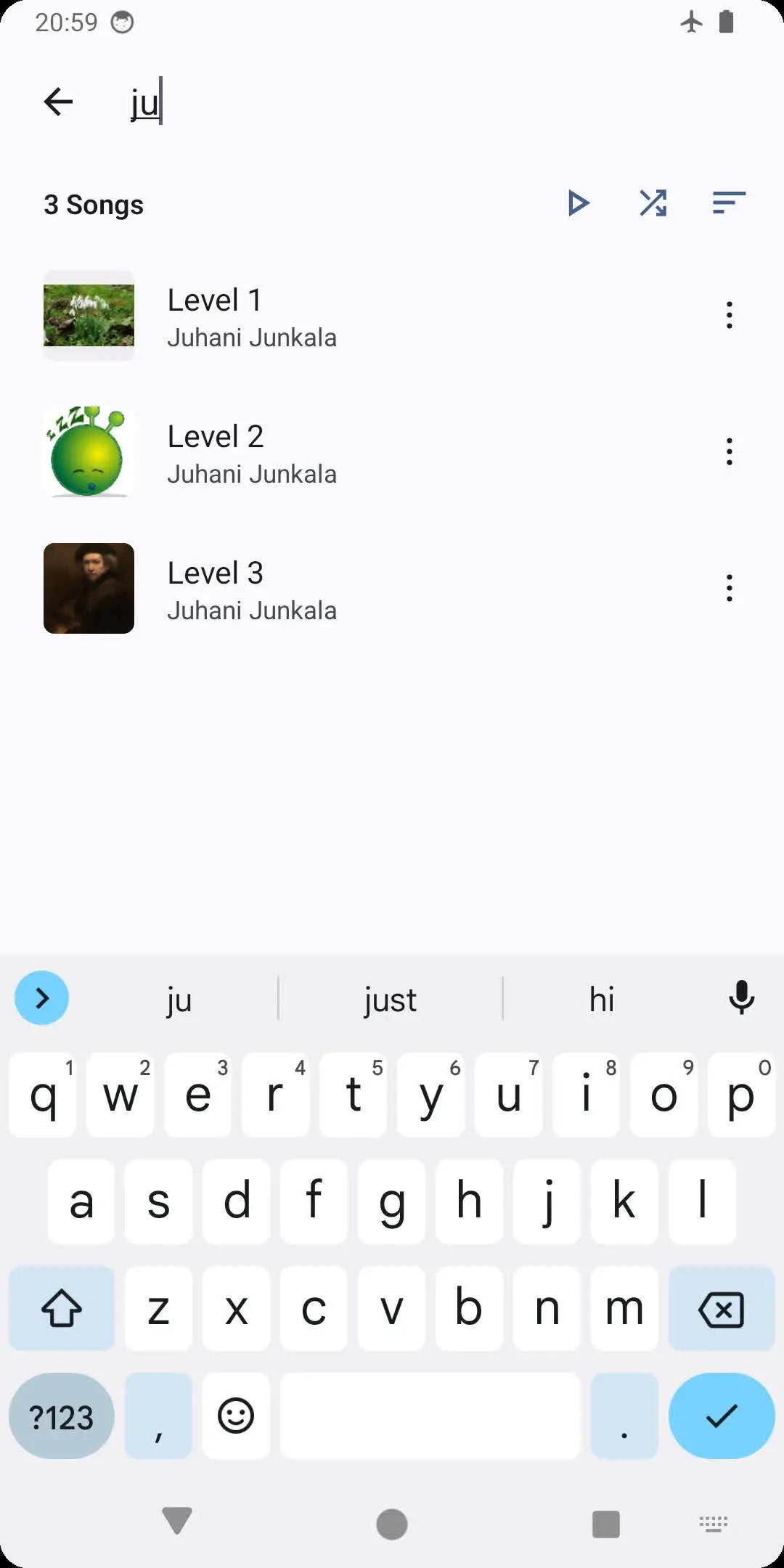
Gramophone published 1.1.2 on 20 August 2026, 1 day before this check, which makes it the newest release of the four here. The blunt part comes with it: F-Droid still catalogues 1.1.1, added 28 July 2026, so installing it from that repository today gets the build before the current one. Its Google Play listing is free with no in-app purchases and carries no Contains ads label, and neither catalogue publishes a star rating for it, so there is no score to read on either.
The two catalogue records label the publisher differently, and they also overlap. Its F-Droid entry, read on 21 August 2026, names the author as nift4, gives [email protected] as the contact on its author line and links github.com/FoedusProgramme/Gramophone. The Play listing for the same package id, read the same day, is published by an account named devpandaxda, links that same repository and the same privacy policy, and gives that same [email protected] address as its support email, while its About the developer block names a person and a second address. One shared contact address and one shared repository is an overlap between two records, not a chain of custody, so the Play listing is treated here as a second catalogue record for the same package rather than as proof of who maintains the project. That has one consequence worth stating plainly, because the page prints both halves of it and a reader should not have to join them: the line about a build being signed by the original developer and matching a published source tarball is one F-Droid prints against the file F-Droid itself serves, and nothing read here extends it to the file Google Play serves, which is the one the account named on that listing publishes. Nothing read here says who signs that file either. Anyone who wants the provenance this page can evidence should take it from F-Droid and accept that the repository still carries 1.1.1. The description on that same entry, read on 21 August 2026, makes the project's own claim in its own words: Gramophone is completely offline, thus it does not support downloading or streaming music.
The one thing on the record that can be set beside that sentence is the permission list on the same entry, which names neither view network connections nor have full network access, the only entry of the four here that names neither. That is what the build may reach, not a measurement of what it sends. Skip it if you want a published rating before installing anything, because neither catalogue has one. Choose Gramophone over Local Player if an older phone has to run it: its builds say Android 5.0 or newer, where the other three entries here start at 7.0 or 8.0 on their own entries, read the same day.
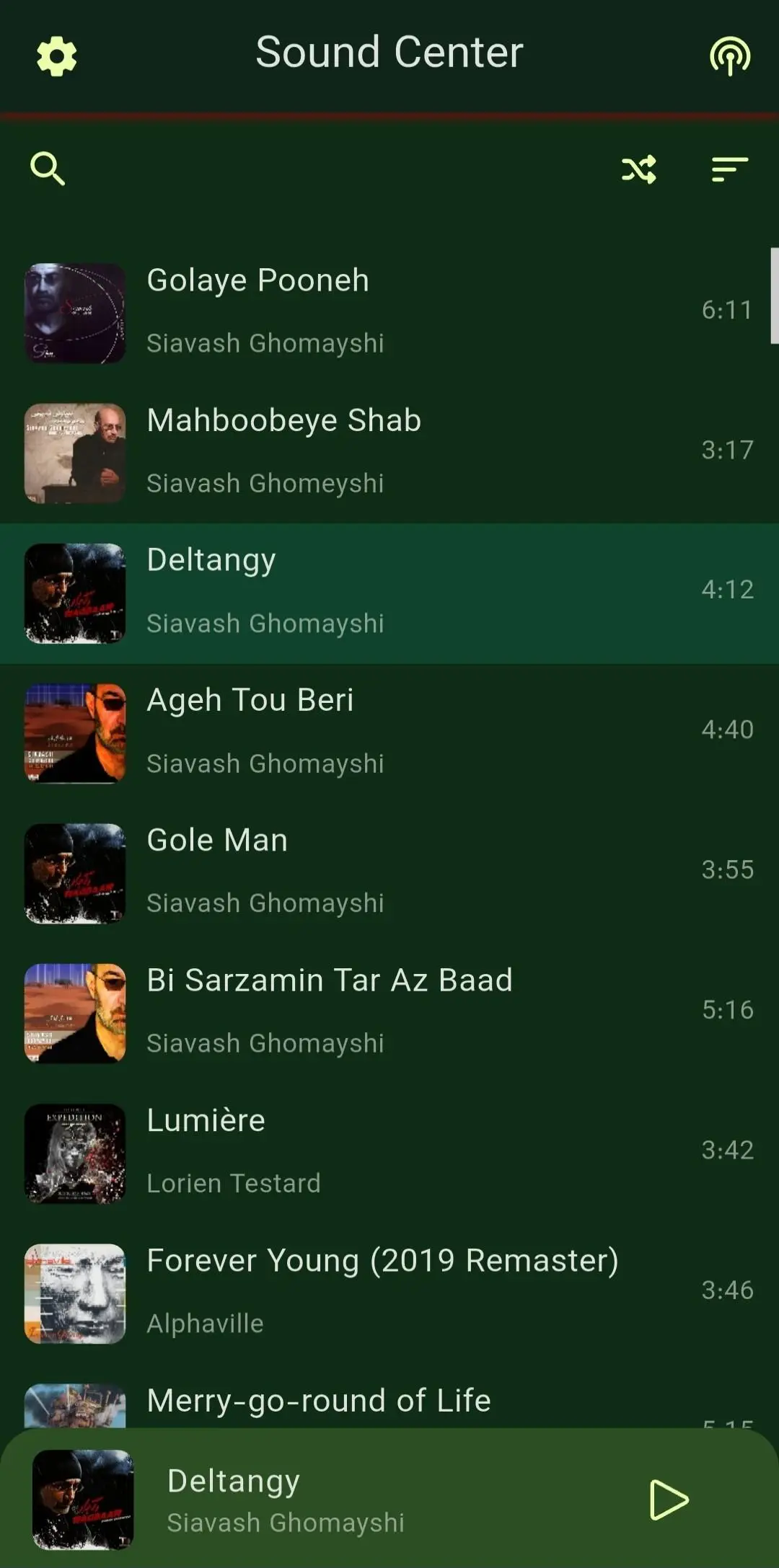
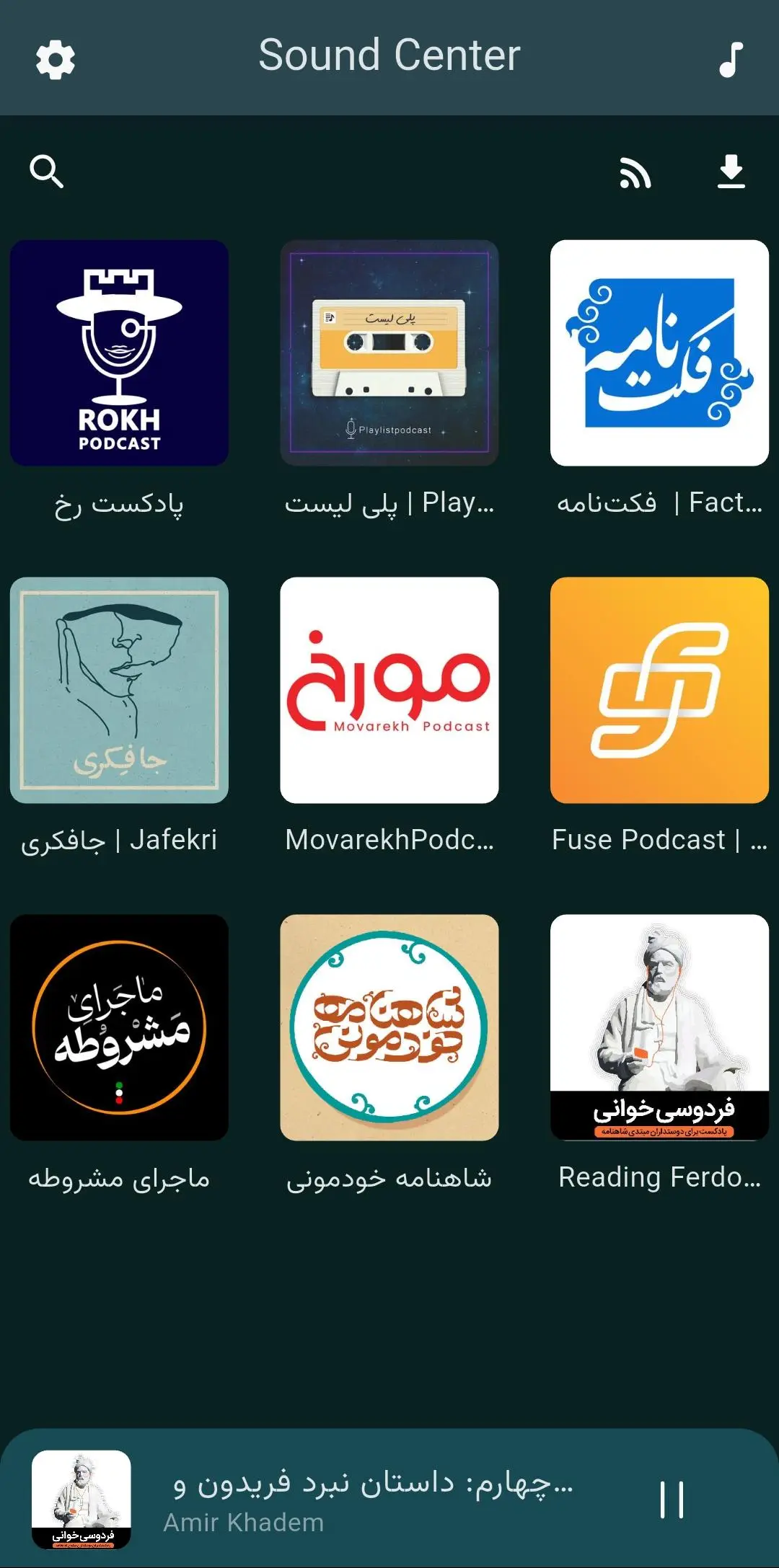
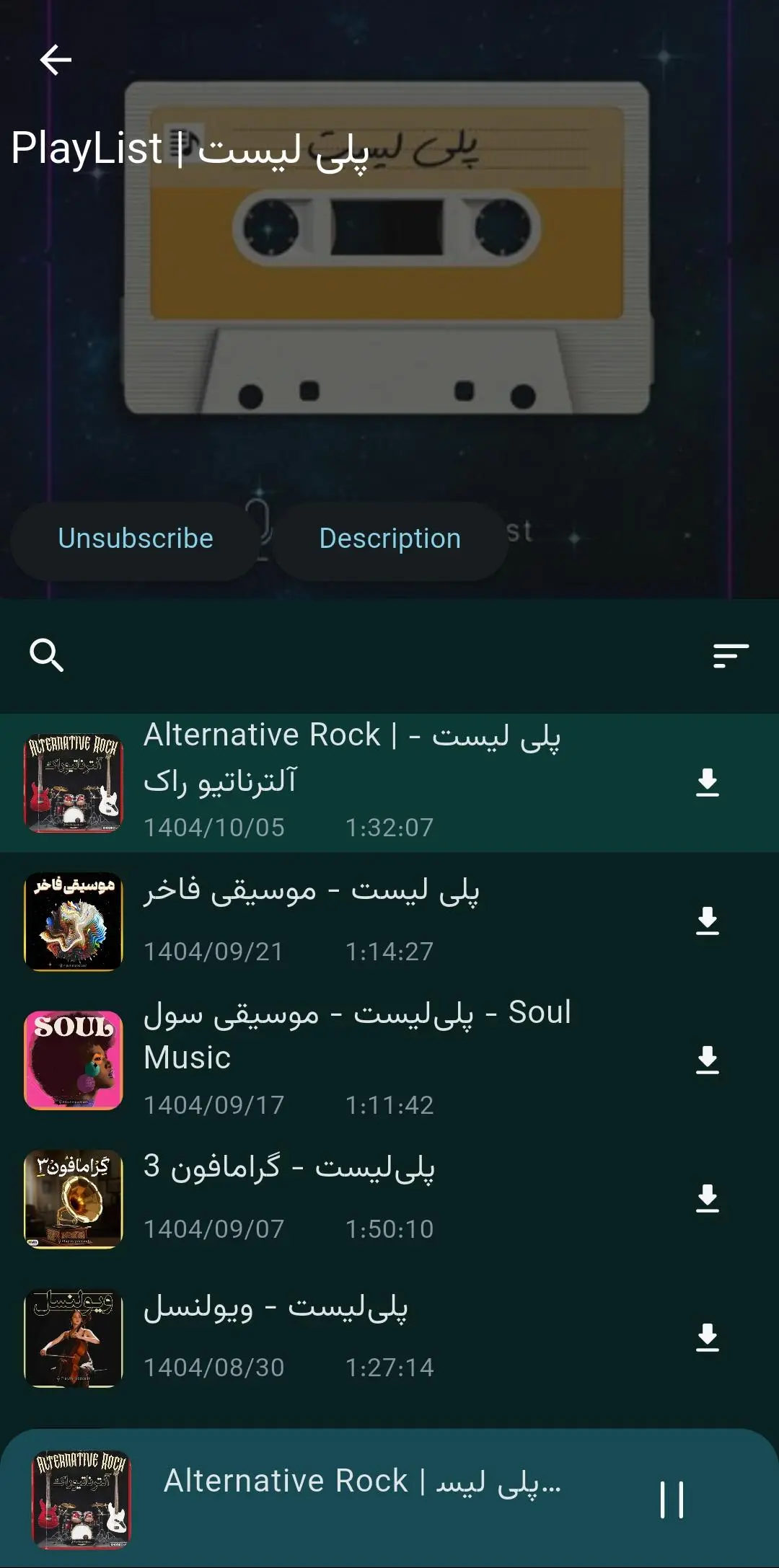
A local library plus podcasts and internet radio · the only entry here still on a beta version string
Newest release published by the project itself: 1.0.0-beta.6 on 1 August 2026, 20 days before this check, from its own releases page · Version on F-Droid: 1.0.0-beta.6, added 3 August 2026, 2 days after the project published it, so the catalogue is in step · Licence GNU General Public License v3.0 or later, SPDX id GPL-3.0-or-later · Author Ali Zare · Summary published on F-Droid: Local music and podcast and stream player, built to enhance your quality of life · This version requires Android 7.0 or newer · 11 permission entries listed for that build, among them view network connections, have full network access, run at startup, and reading and modifying the contents of your shared storage · Anti-Feature flag: Non-Free Network Services · This catalogue publishes no rating, no review count, no install count, no price and no Contains ads label for any app, and it has no Data Safety section · No Google Play listing: play.google.com returned 404 for its package twice on 21 August 2026 · F-Droid entry, read 21 August 2026
F-Droid entry · project releases · no rating is published on either to quote · read 21 August 2026
Sound Center is the one entry here whose own version string still says beta: the project published 1.0.0-beta.6 on 1 August 2026 and has published nothing since. F-Droid took that same build on 3 August 2026 and has attached its Non-Free Network Services flag to the entry. No rating, price or ads label exists in this catalogue to weigh against that, and Google Play returned 404 for its package on 21 August 2026. What the record does give is a licence, a change list, and a permission list that includes full network access.
Read this first. The Anti-Feature block on its F-Droid entry, read on 21 August 2026, carries F-Droid's own reason for the flag, word for word: iTunes and PodcastIndex Search API are used for podcast search. GitHub API is used to check for new app versions and Radio Browser is used to search for streams.
That is what the flag on this entry is about: an app that reaches services which are not free software, for podcast search, for stream search and for its own update checks. It is not a statement about advertising, and it says nothing about anything else the app does.
The change list is the project's own text, republished on the entry under the heading New in version 1.0.0-beta.6, and for this build it names backup and restore, an automatic restart for podcasts and streams after an error, ICY metadata support, and a fix it describes as network connection leaks closed by adding an internal proxy. Those are the project's words about its own work, not a catalogue finding, and no source read here confirms or contradicts any of them. Skip it if you want a version its own authors call finished: this one is labelled beta in the version string itself, on the project's own releases page as well as in the catalogue. Choose Sound Center over Gramophone only if podcasts and internet radio in the same app are worth the flag, because the reason F-Droid published for it names the services behind exactly those two features, plus the app's own update check.
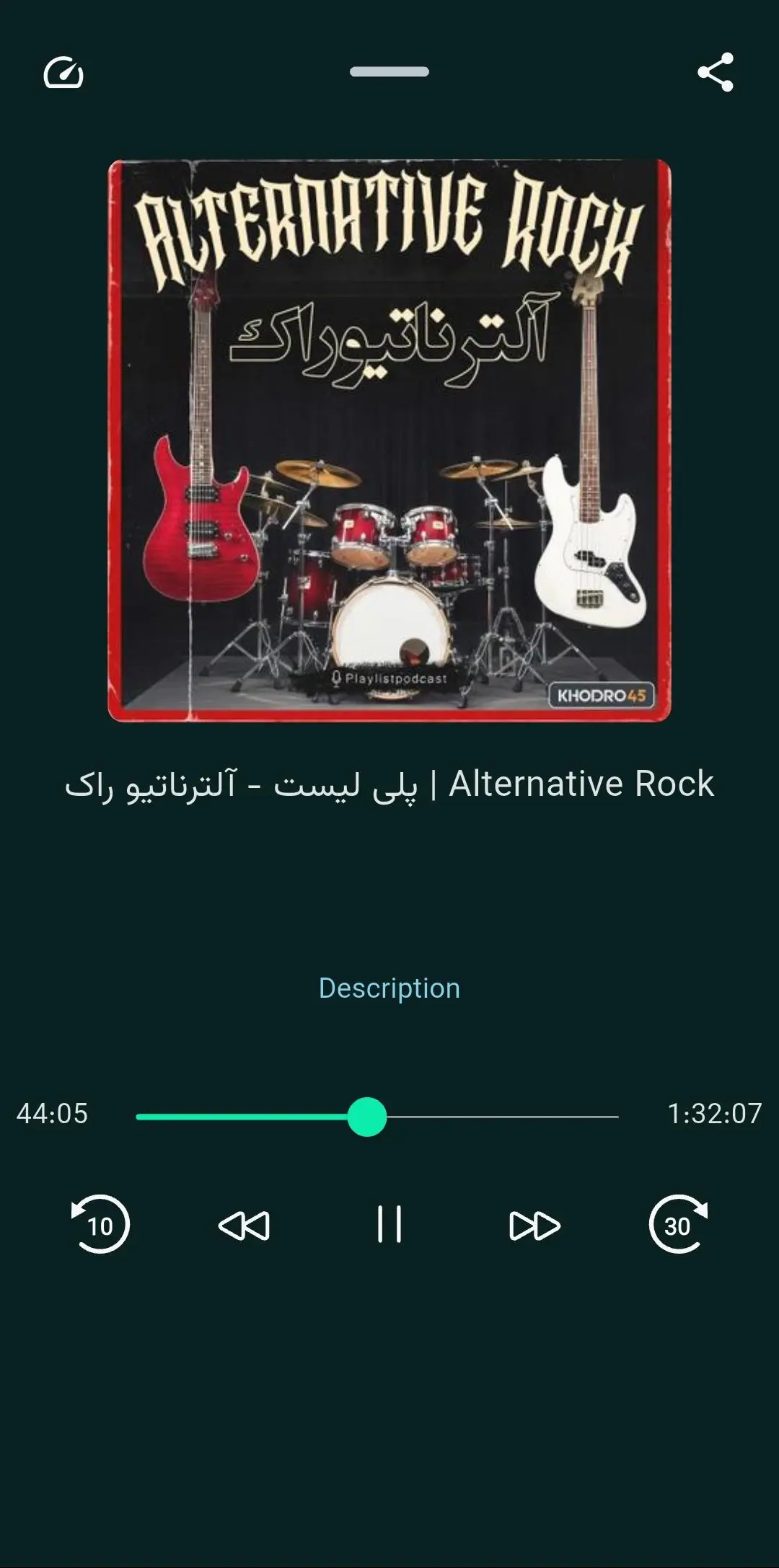
A local library built around word by word lyrics · the shortest permission list here
Newest release published by the project itself: 1.1.1 on 3 July 2026, 49 days before this check, from its own releases page · Version on F-Droid: 1.1.1, added 10 July 2026, 7 days after the project published it, so the catalogue is in step · Licence MIT License, SPDX id MIT · Author Cristian · Summary published on F-Droid: Modern local music player with word-by-word synchronized lyrics support · This version requires Android 7.0 or newer · 6 permission entries listed for that build, the shortest of the four read here, with view network connections the only network one among them · The entry lists no Anti-Feature flag, which records what F-Droid has flagged and is not a finding about the app · This catalogue publishes no rating, no review count, no install count, no price and no Contains ads label for any app, and it has no Data Safety section · No Google Play listing: play.google.com returned 404 for its package twice on 21 August 2026 · F-Droid entry, read 21 August 2026
F-Droid entry · project releases · no rating is published on either to quote · read 21 August 2026
Local Player asks for less than anything else here: its entry lists six permissions for the current build, and full network access is not among them. The blunt part is the licence and the silence around it. MIT is permissive, so a modified build can be passed on without its source, and no Anti-Feature flag on the entry is the absence of a warning rather than a clean bill. No source read for this page publishes a rating, a price or an ads label for it either, and its newest release is 49 days old.
The description on its F-Droid entry, read on 21 August 2026, makes the project's own claim in its own words: Privacy First: No ads, no trackers, and no internet required. Your music stays private.
That is a project writing about its own work, not a catalogue label, and no source read here publishes an ads label or a data handling section that could be set against it. What can be set beside it is the permission list on the same entry, which names view network connections and no other network permission. Skip it if you want a published rating or an install count before you install anything, because neither of the two catalogues read for this page publishes either: F-Droid prints neither for any app it carries, and Google Play returned 404 for its package on 21 August 2026. Choose Local Player over Booming Music if the shorter permission list decides it: 6 entries against 18, and no flag on the entry against a flag with a reason.
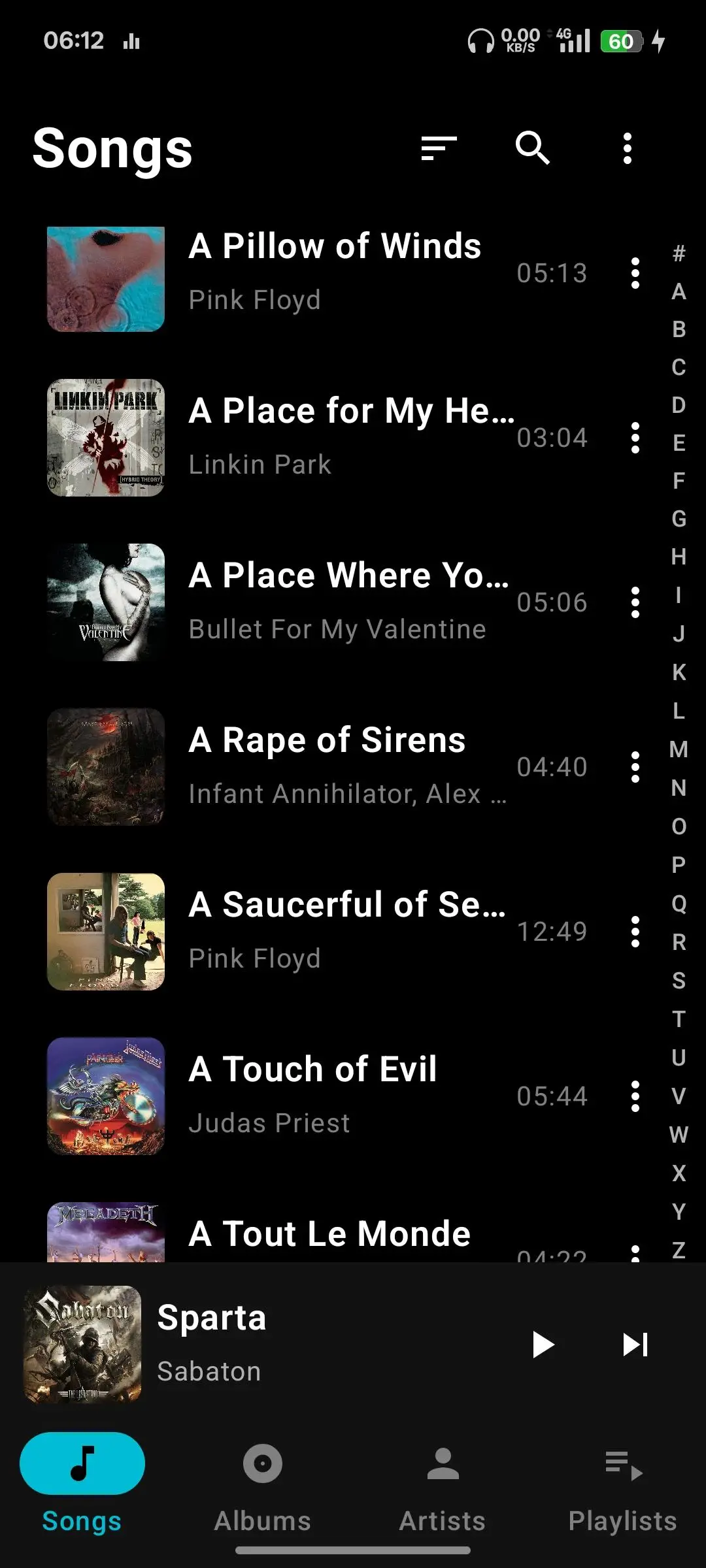
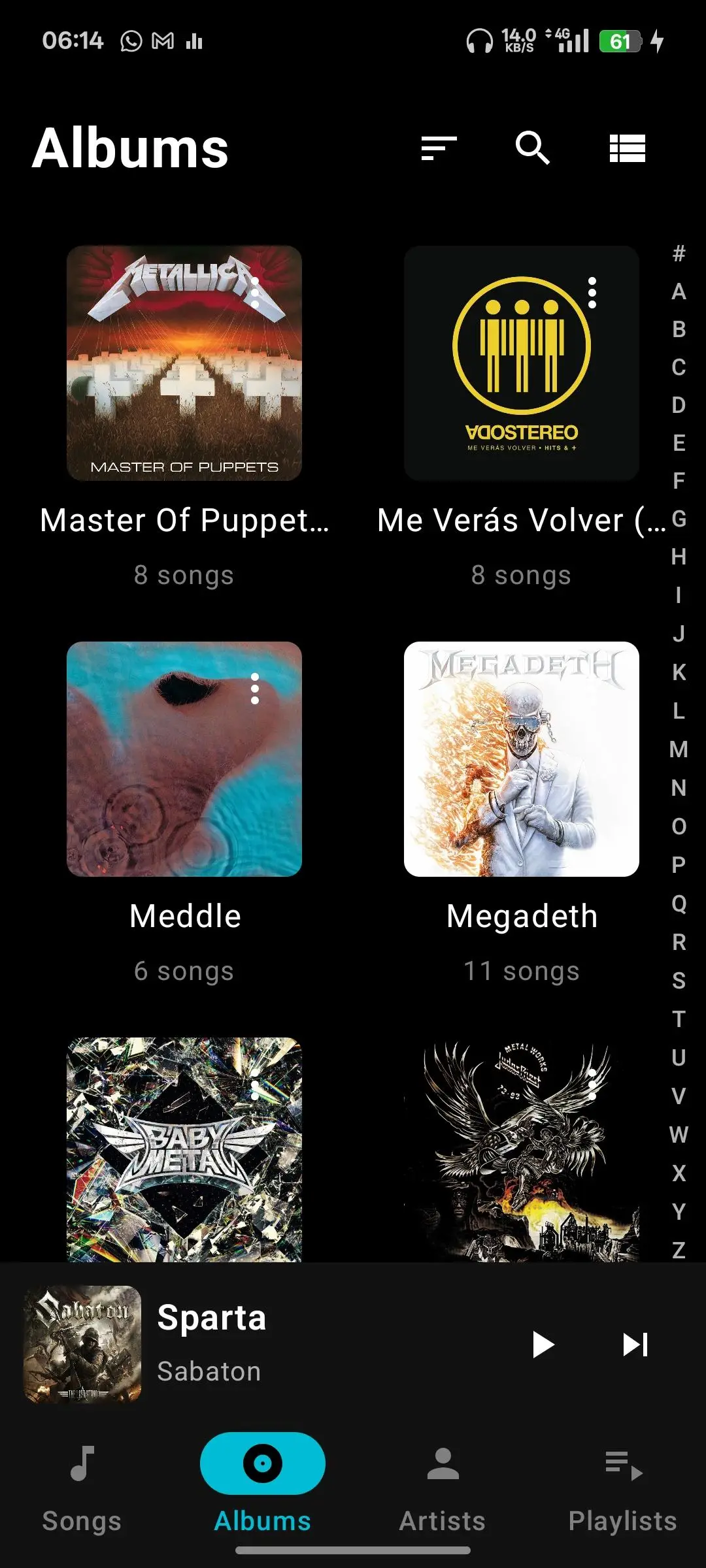
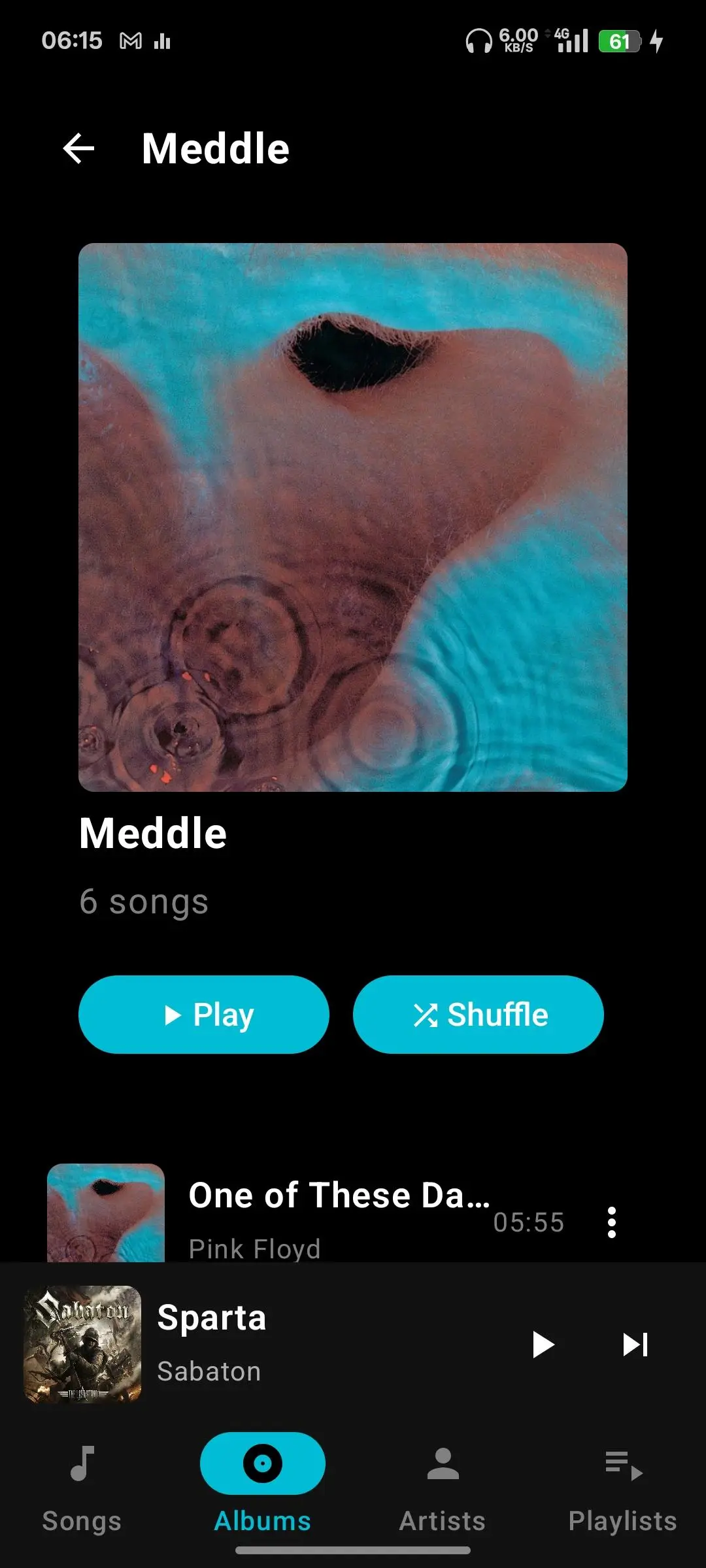
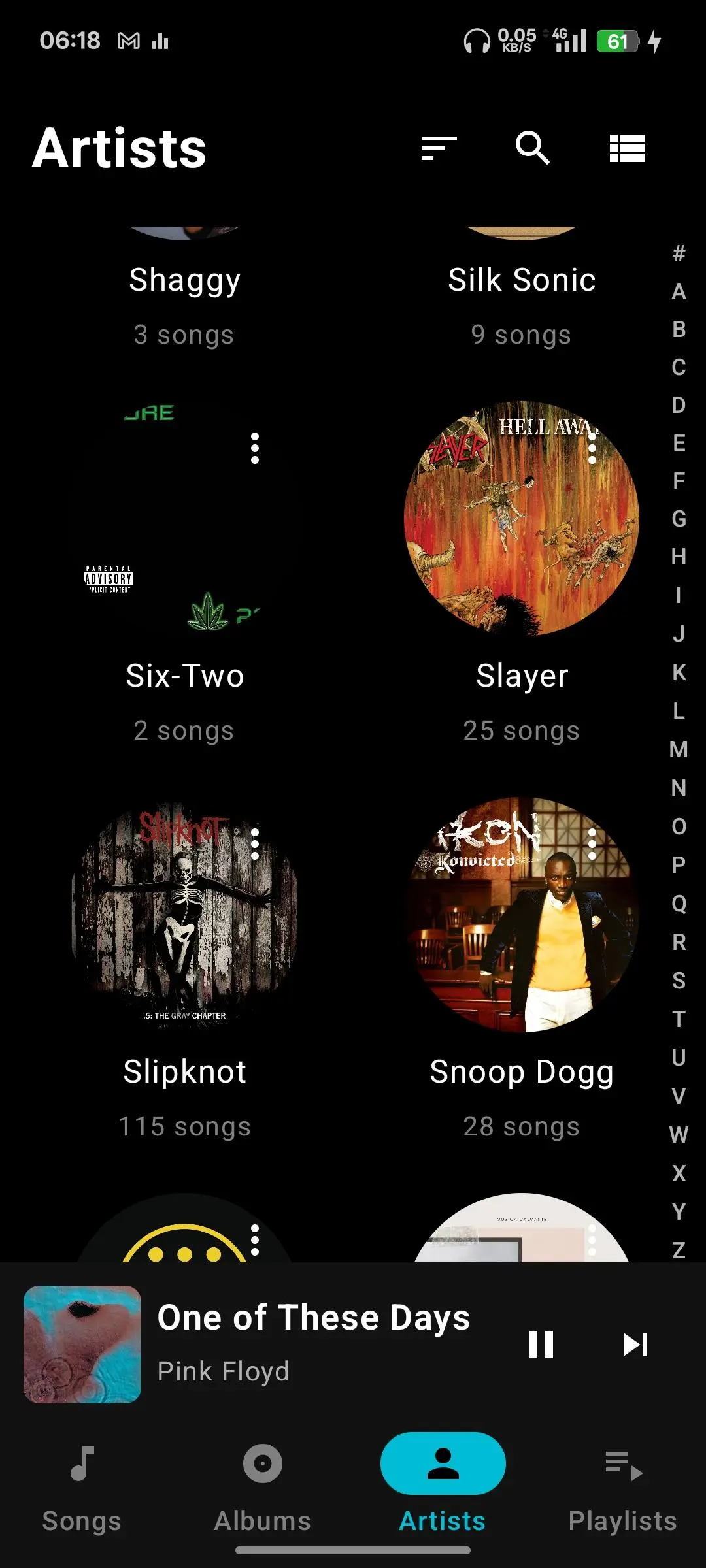
A local library with an equalizer and USB DAC output · the longest permission list here
Newest release published by the project itself: 1.3.0 on 3 May 2026, 110 days before this check, the oldest of the four here, from its own releases page · Version on F-Droid: 1.3.0, added 4 May 2026, 1 day after the project published it, so the catalogue is in step · Licence GNU General Public License v3.0 only, SPDX id GPL-3.0-only · Author mardous · Summary published on F-Droid: Clean, fast, and Material-driven music player with powerful features · This version requires Android 8.0 or newer, where the two builds before it required 9.0 or newer · 18 permission entries listed for that build, the longest of the four read here, among them have full network access, modify system settings, run at startup and schedule precisely timed actions · Anti-Feature flag: Non-Free Network Services · This catalogue publishes no rating, no review count, no install count, no price and no Contains ads label for any app, and it has no Data Safety section · No Google Play listing: play.google.com returned 404 for its package twice on 21 August 2026 · F-Droid entry, read 21 August 2026
F-Droid entry · project releases · no rating is published on either to quote · read 21 August 2026
Booming Music carries the longest permission list of the four and the oldest release: its project published 1.3.0 on 3 May 2026, 110 days before this check, and has published nothing since. It also carries the Non-Free Network Services flag, and F-Droid's reason for it is one line long. What the record publishes is a licence, a version, two dates, a change list and that flag; what no source read here publishes, for this app or any other on F-Droid, is a rating, a price or a Contains ads label, and Google Play returned 404 for its package on 21 August 2026.
Read this first. The Anti-Feature block on its F-Droid entry, read on 21 August 2026, gives F-Droid's own reason word for word: The app uses APIs from non-free services such as Last.fm.
That reason names Last.fm and stops there. The entry does not say which part of the app reaches that service, and Last.fm appears nowhere else on the entry: the only scrobbling its own feature list names is ListenBrainz, which is a different service. So what the flagged dependency is used for is not on the record, and a reader who came to this catalogue to keep third party services out of a music player should read the reason before the feature list.
The project's own README, read on 21 August 2026, credits Retro Music Player under its own Credits heading, in one line naming it as the project the app was inspired by, above a separate list of five other projects it thanks. That is a stated influence on the developer's own page, not a fork, a merge or a transfer of maintenance, and nothing read here says code moved between them. The description on the F-Droid entry separately calls the app lightweight, open source and free of advertising, which is the project describing its own work where no source read here publishes an ads label to set beside it. The change list for the current build is the project's own text as well, republished on the entry under the heading New in version 1.3.0, and it names ALAC decoding and bit perfect playback through USB DACs, ListenBrainz scrobbling, a full screen widget and an editable favorites playlist. Those are the project's claims about its own release, which F-Droid republishes rather than verifies, and no source read here confirms or contradicts any of them. Skip it if the permission list decides it for you: 18 entries, among them modify system settings and full network access, is the longest read here by a wide margin. Choose Booming Music over Local Player if bit perfect USB output and the equalizer are what you came for, and accept the flag and the permission list that arrive with them.
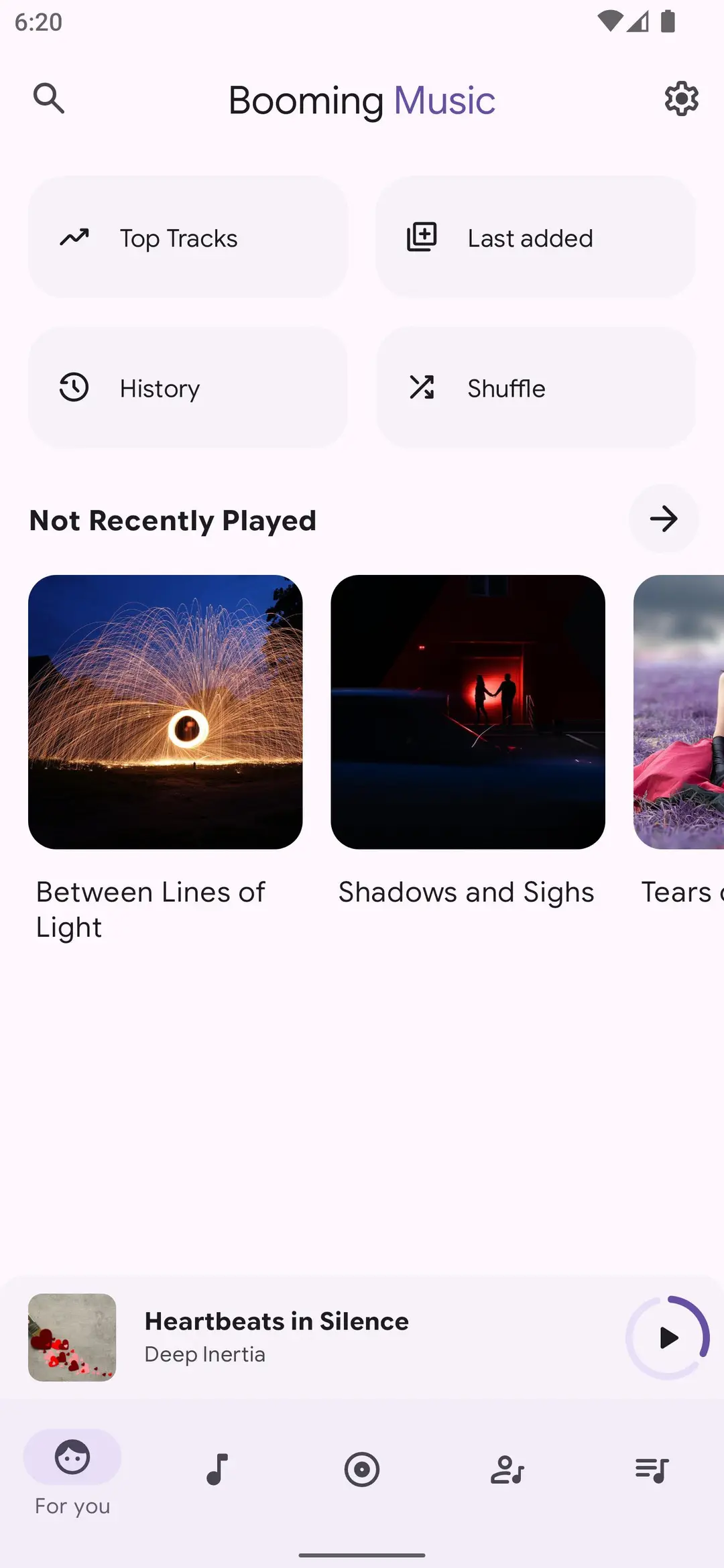
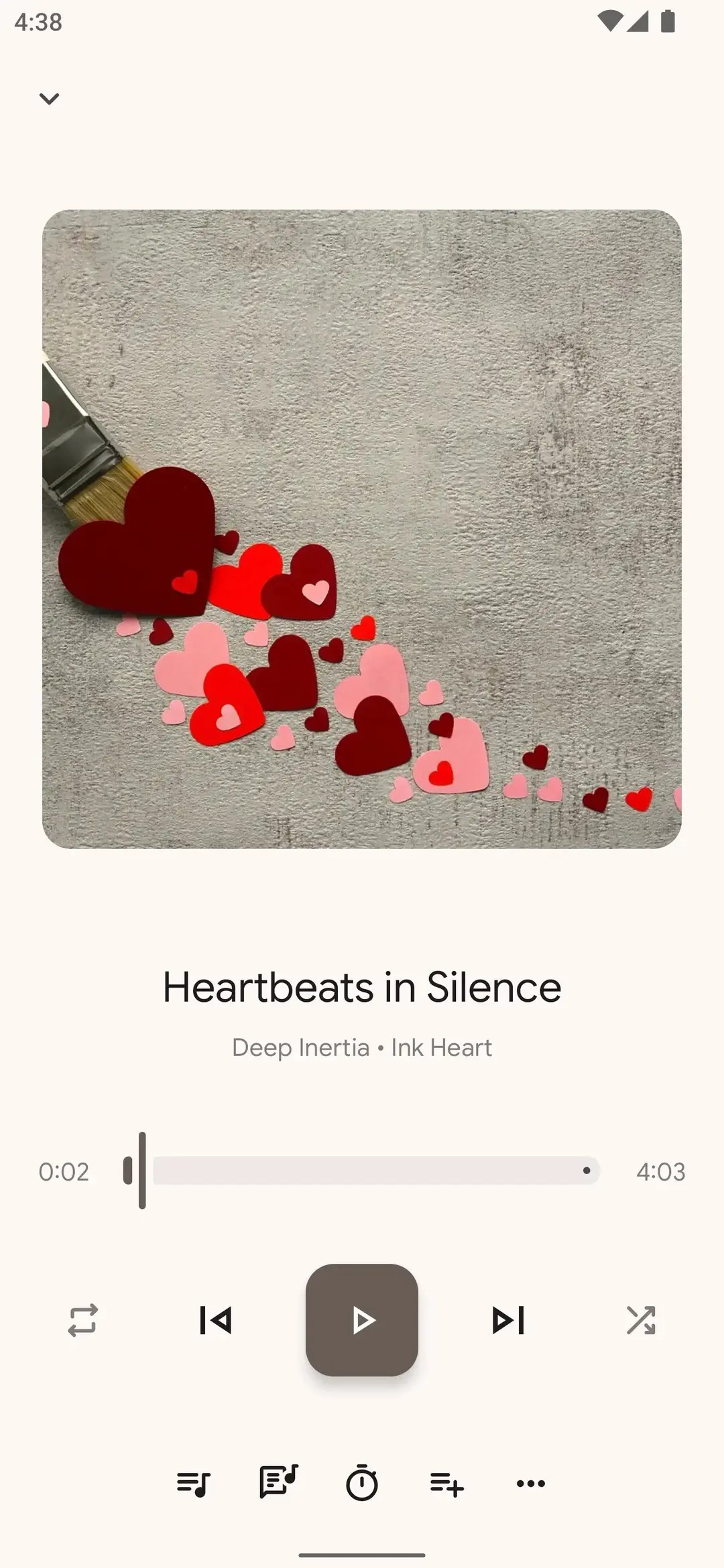
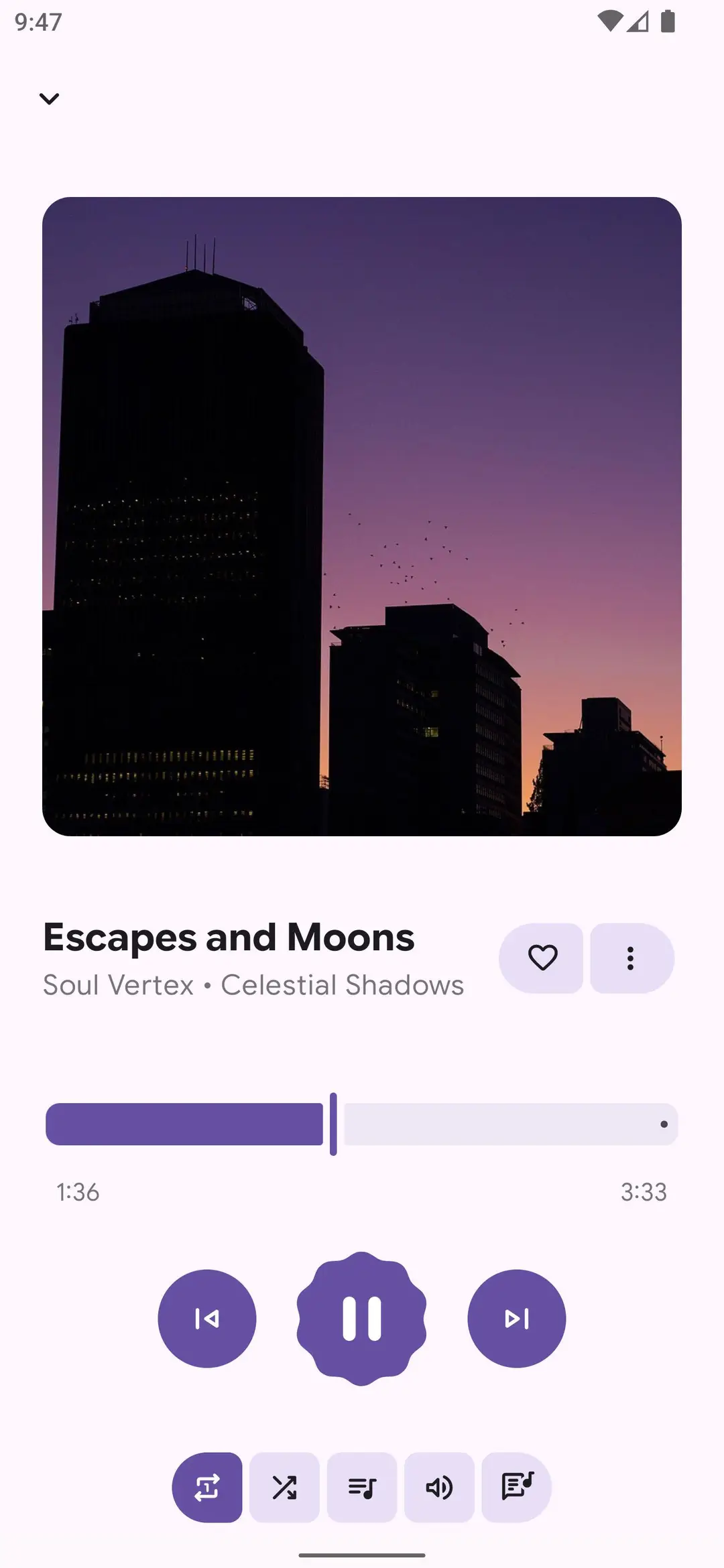
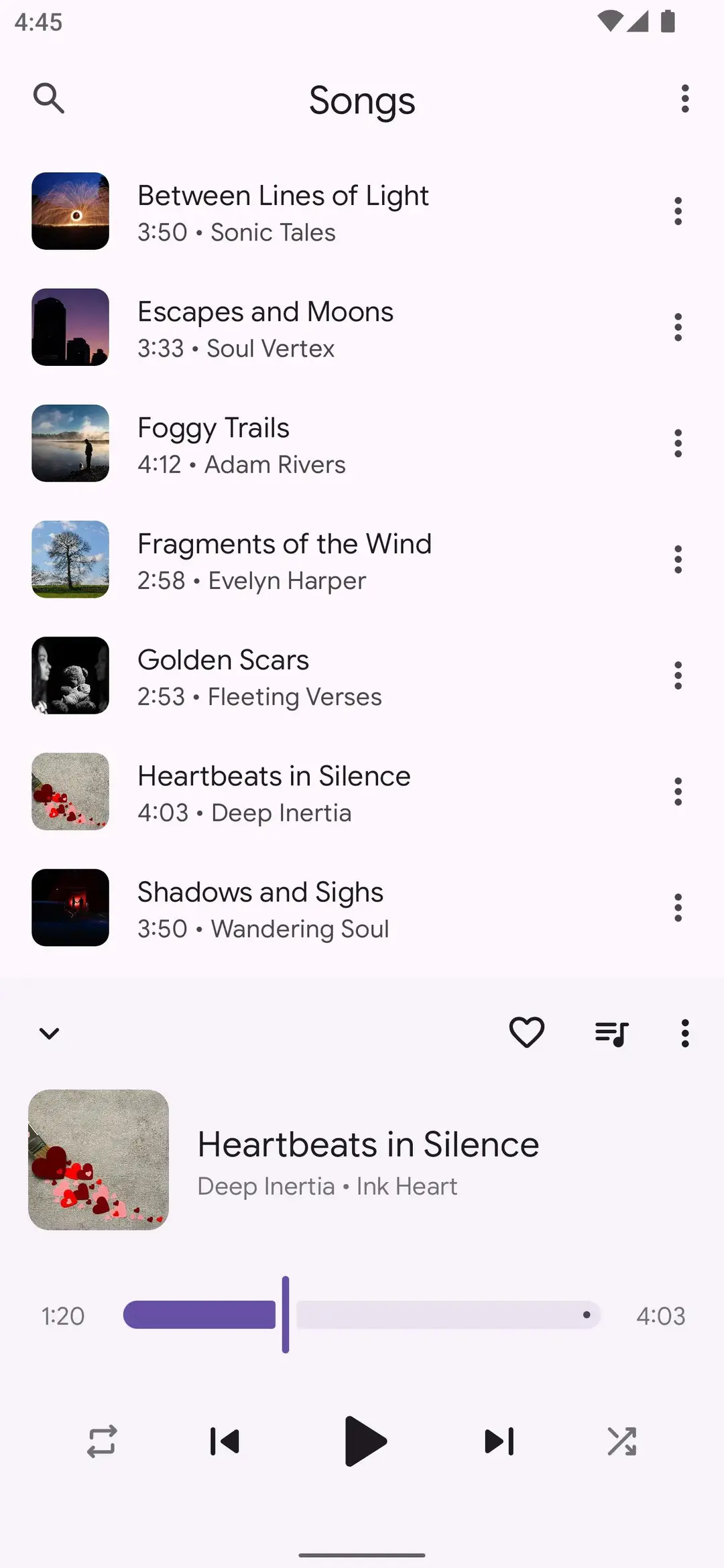
All four of these are catalogued on F-Droid, and all four projects publish their own releases page. One of the four, Gramophone, also has a Google Play listing for the same package id. The three sources publish very different amounts, and that difference belongs to them rather than to the apps.
The fields each source gave this page are listed in the How we verify box above. Two of the four F-Droid entries also carry an Anti-Feature block with F-Droid's own reason for the flag, and both reasons are quoted in full in the sections above.
What F-Droid publishes for no app at all: a rating, a review count, an install count, a price, an in-app purchase range or a Contains ads label. There is no Data Safety section either. So a blank in those places on this page is a gap in the catalogue and not a finding about an app, and a rating no source read here publishes is not a poor one. Google Play carries those fields as a catalogue, and for the one entry that has a listing there, what its listing does and does not show is set out in that entry's section, with the date each line was read. For the other three, play.google.com returned 404 for the package id twice on 21 August 2026. A releases page publishes none of those fields either: what it publishes is a version and the date the project published it, and that is the only thing taken from it here.
Two things are true of all four entries and are therefore not points in favour of any one of them. Each says of its current build that it is built and signed by the original developer and guaranteed to correspond to the published source tarball. That is a statement about where one file came from rather than about what the app does once it is running, and F-Droid makes it about the file F-Droid serves. It does not travel with the app to another store: the one entry here that also has a Play listing has no such line on that listing, and nothing read here says who signs the file it serves. And each carries an open source licence, three copyleft and one permissive, which decides what someone else may do with a modified build. A licence is not a privacy guarantee, an ad free guarantee or a quality guarantee, and nothing above treats one as evidence about behaviour.
This is a page about what is current, so it is worth being exact about which date is which. Two different events are measured below, from two different sources, and they are never mixed in one sentence.
One threshold, applied to all four: an entry counts as current here when the newest release its own project publishes falls inside six months of 21 August 2026, and stale when nothing has been published for more than eighteen months. All four are current on that test, and none is near the stale line. Ordered by the projects' own release dates, newest first:
Three of the four are in step: the catalogue carries the same version the project published, picked up between 1 day and 7 days after publication. Gramophone is the exception in both directions at once: it has the newest release of the four and the only F-Droid entry that is a build behind. Anyone installing it from F-Droid today gets 1.1.1 rather than 1.1.2, and nothing read for this page says when the newer build will be picked up.
The ordering depends on which date is used, which is the reason both are printed. On F-Droid added dates alone, Sound Center is the most recent entry here, because its build reached the repository on 3 August 2026. On the projects' own release dates, Gramophone is, by 19 days. Both statements are true of what they measure, and only the second one answers which project shipped something most recently.
A gap is also not evidence that work has stopped. The project with the widest gap here still publishes a change list for its current build, and nothing read for this page says anything either way about what any of these projects is doing now.
A music player reads the audio library on the phone, and two of these four ask for full network access on top of it, so the data question is worth asking. This page cannot settle it, and the reason is worth stating rather than smoothing away.
Where this page says a field is absent, it means absent from the sources named above and read on 21 August 2026. It is a statement about what was read here, not a claim that nobody publishes it.
This page used to carry eight write ups and a closing section on the apps with no news. It now carries four entries, and that is worth explaining rather than papering over.
An entry here needs a first party record that can be re opened and re read on the day of writing, with the date printed beside every figure. Four of the apps this page used to name had one re read on this pass, and those four are the only ones either earlier version linked a catalogue page for: the eight entry version linked four f-droid.org entries and one GitHub repository, and the version before this one linked those same four entries and the Google Play listing for one of them. Every figure on those four was re read today from three sources: the F-Droid entry, the project's own releases page and, for the one entry that has it, the Google Play listing. For the entries that have gone, no first party catalogue record was read on this pass either, so none of their figures is left standing here with a fresh date on it. That is a statement about what was read, not a finding that any of those apps is gone. Every entry that went is named in the changelog at the foot of this page, with the reason it went.
Four entries is a short list for a category this size. Saying so is more useful than filling the gap with apps whose figures could not be re read today.
It depends which date you mean, so here are both. On the projects' own release dates, Gramophone: it published 1.1.2 on 20 August 2026, 1 day before this check. On F-Droid added dates, Sound Center, whose current build reached the repository on 3 August 2026. An added date is the day a build entered F-Droid, not the day it was released, and the two orderings disagree because they measure different things. Checked 21 August 2026.
For three of these four, yes: F-Droid carries the same version the project published, picked up between 1 day and 7 days afterwards. For Gramophone, no: the project published 1.1.2 on 20 August 2026 and F-Droid still carries 1.1.1, added 28 July 2026. Nothing read for this page says when that will be picked up. Checked 21 August 2026.
Nothing read for this page answers that for three of the four. F-Droid publishes no Contains ads label for any app it carries, so its entries cannot say. The fourth, Gramophone, also has a Google Play listing, and on 21 August 2026 that listing carried no Contains ads label at all. Two of the projects state in their own descriptions that their app carries no advertising, and that is a project describing its own work rather than a catalogue label. Checked 21 August 2026.
It is one of F-Droid's own Anti-Feature warnings, and the repository publishes a reason for each app it applies to. For Sound Center it reads, in F-Droid's own words: "iTunes and PodcastIndex Search API are used for podcast search. GitHub API is used to check for new app versions and Radio Browser is used to search for streams." For Booming Music: "The app uses APIs from non-free services such as Last.fm." Both are about services an app depends on rather than about advertising. Both were re read on 21 August 2026 and both were still on the entries.
Local Player, with 6 permission entries listed for its current build, where Sound Center lists 11, Gramophone 12 and Booming Music 18. Gramophone is the only one of the four whose list names neither view network connections nor have full network access, though it does name two Bluetooth permissions. Read those numbers knowing that five entries are on all four lists and are a floor rather than a choice, among them the storage permission Android itself requires, which since Android 13 is the granular READ_MEDIA_AUDIO one. Leaving the five out changes none of the ordering. A permission list records what a build may reach, not what it sends, and no source read here publishes that. Checked 21 August 2026.
One of them. Gramophone has a Google Play listing for the same package id, published by an account named devpandaxda, with an install band of 10,000+, free to install, no in-app purchases shown, no Contains ads label and a Data Safety section declaring no data collected and no data shared with third parties. It publishes no star rating. Google Play returned 404 twice each for the Sound Center, Local Player and Booming Music package ids on 21 August 2026. Checked 21 August 2026.
No. A licence says what may be done with the code, not what a build does on a phone. F-Droid publishes no data handling section for any app, so for three of these four there is no declaration to read at all, which is not the same as a clean one. The fourth has a Data Safety declaration on Google Play, and a declaration is the publisher speaking to Google rather than an audit finding. Checked 21 August 2026.
Checked 21 August 2026: every figure on this page was re read today from three first party records: the four F-Droid entries, the four projects' own releases pages, and the Google Play listing for Gramophone. Google Play returned 404 twice each for the other three package ids on that date. Nothing was carried over from the previous version.
The freshness column was rebuilt, and it changed the answer. The previous version measured how current each entry is with F-Droid added dates, and said in its own words that no release date appeared anywhere on the page because nothing read for it carried one. Each of the four projects publishes its own releases page, and all four were read on 21 August 2026. An added date is when a build entered a repository; a release date is when the project published it. On added dates Sound Center's build is the most recent here, and that is what the old table, the old freshness section and the old FAQ each said, naming the added date as the measurement every time. On release dates Gramophone is: it published 1.1.2 on 20 August 2026, and F-Droid still carries 1.1.1. Both dates are now printed, in separate columns and separate sentences, and the table gained a column for the second one.
Two retractions made by the previous pass are withdrawn, because both turned out to be true. That pass retracted the statement that one release came 16 days after 1.1.0, and replaced it with eighteen days measured between two F-Droid added dates. The Gramophone releases page publishes 1.1.0 on 7 July 2026 and 1.1.1 on 23 July 2026, which is 16 days apart. The original figure was right about release dates and was corrected into a different measurement, so the interval is restored with its source named. That pass also retracted a descent claim about Booming Music as unsupported by any record read that day. The project README, read on 21 August 2026, describes the app as inspired by Retro Music Player and links that project, so the relationship is on the developer's own page and is restored here in the developer's own word. The original phrasing, which placed the app in the Retro Music lineage, stays retracted: an influence a README states is not a lineage. Two other retractions from that pass stand and are not restored: the framing that called one release the headline release of the year, which no source can carry, and the description of another as ad free, offline only, which asserts a field no source read here publishes for any app.
Corrections against the previous version. Its Gramophone section gave that app's Play listing an update date of 23 July 2026; that listing now reads 20 August 2026. Its freshness section and its FAQ ranked the four on F-Droid added dates, the only dates that pass had read, and both named that measurement and said an added date is not a release date; neither could print a release date at all. Both now carry the projects' own release dates beside the added ones, and the two orderings disagree. Statements of the form "no catalogue publishes X" were rewritten as statements about the sources actually read, because an absence in what we read is not an absence in the world, and the same correction was applied to a sentence in the scope note that said which apps have a first party record rather than which were re read here.
Entries still withdrawn, with no first party catalogue record read for them on this pass either: Oto Music, Auxio, Rhythm, Namida, Symphony, RiMusic, InnerTune, Vanilla Music, Musicolet and Metrolist. None of them appears in the package lists staged for this run, so no figure for any of them was re read today and the reason they left has not changed. That is a statement about what was read here and not a finding that any of them is dead, and three of the ten make the difference plain: the F-Droid entries for Auxio, Symphony, Vanilla Music were each opened on 21 August 2026 and each answered, so what is missing for them is a pass that reads their figures, not a catalogue record. They are named here rather than written up because nothing on this page should carry a figure that was not read for it. No block was deleted on either pass.
Kept unchanged: the four screenshot strips, sixteen images in all, each still inside the section of the app it shows and ahead of the next entry's anchor, with the captions that name the project which published them, the licence and the fact that they were not captured here. They were lifted out of the stored record before this rebuild and written back byte for byte rather than retyped. The slug, the URL, the canonical, the H1 and the related grid are untouched.